A house and garden with the most welcoming of energies, a faint tinkle of past smile making mischiefs here and there, and a lot of heartfulness.
From afar, maybe even whilst there, it seemed modest, ‘small’ in terms of grand houses. Although it’s not really. It’s a beautiful design and still true to much of its original Georgian styling. But its somewhere to visit that won’t wear your feet off, tire your legs with too much walking or overwhelm the senses with too much of anything. It seemed a just right type of place.
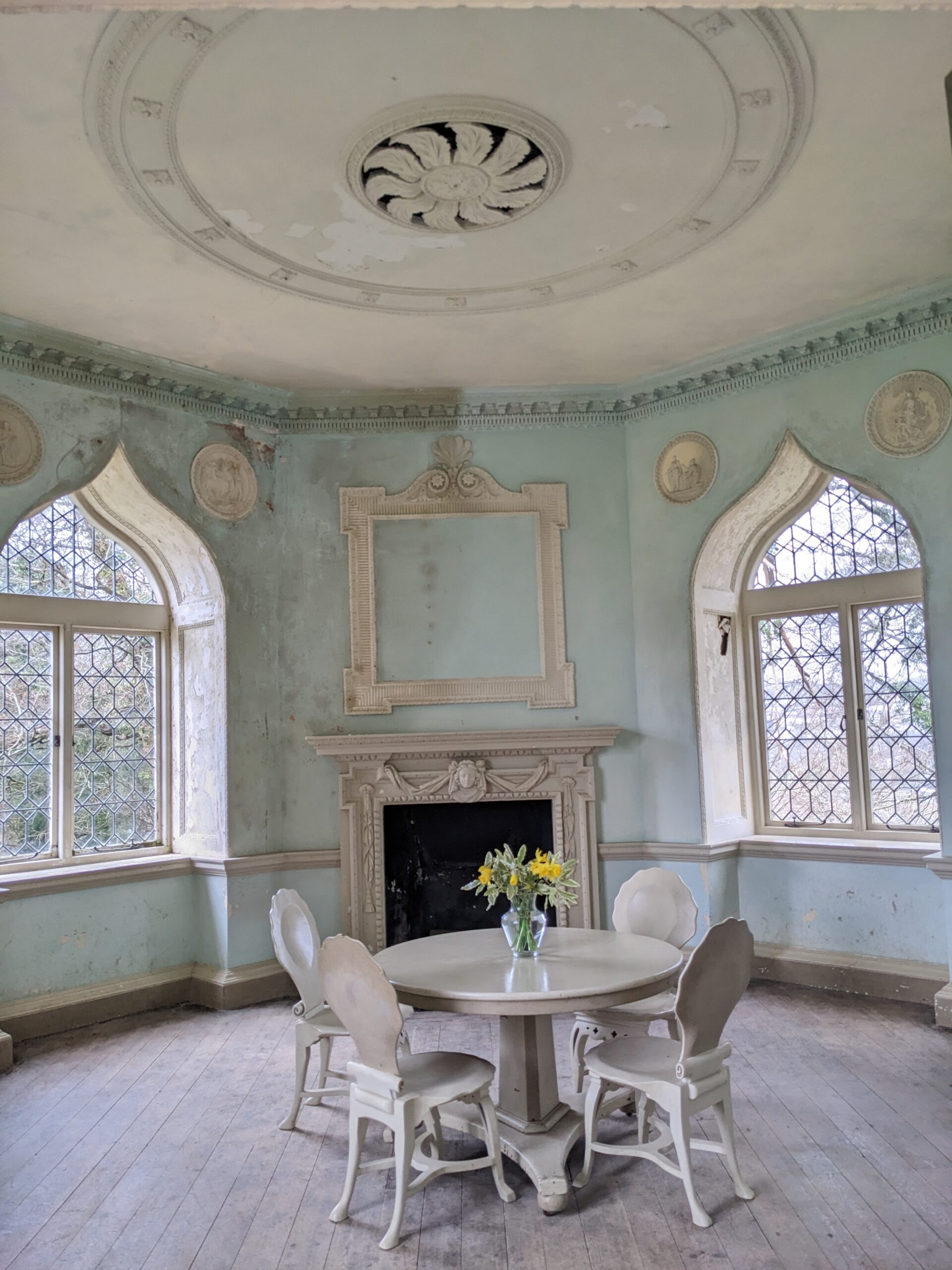
The house which was only partially open on our visit has a mixed build history, Tudor with Georgian redesign work by Robert Adams. Scientist and I were particularly interested in the junctions between Tudor and Adam’s Georgian remodelling although there wasn’t full access to experience these close-up.
We were fortunate to engage in conversation with one of the entrance hall guides – learning about Nancy Aston (the first woman to take her seat as a Member of Parliament in 1919) and her canvassing that the Saltram house, fixture and fitting, assets weren’t sold off separately to the house, when it was all handed over in lieu of tax to the government. Hence this house still retained many of its furnishings when taken over by the National Trust so is an example of how it was when it was lived in, rather than being a ‘collection’ of right period pieces.
One guide talking about artwork, had that rare skill of pitching the information at just the right level to attract all passing visitors into stopping, listening and discovering more. It’s so interesting to witness this type of delightful charming, and to be swept up by it too.
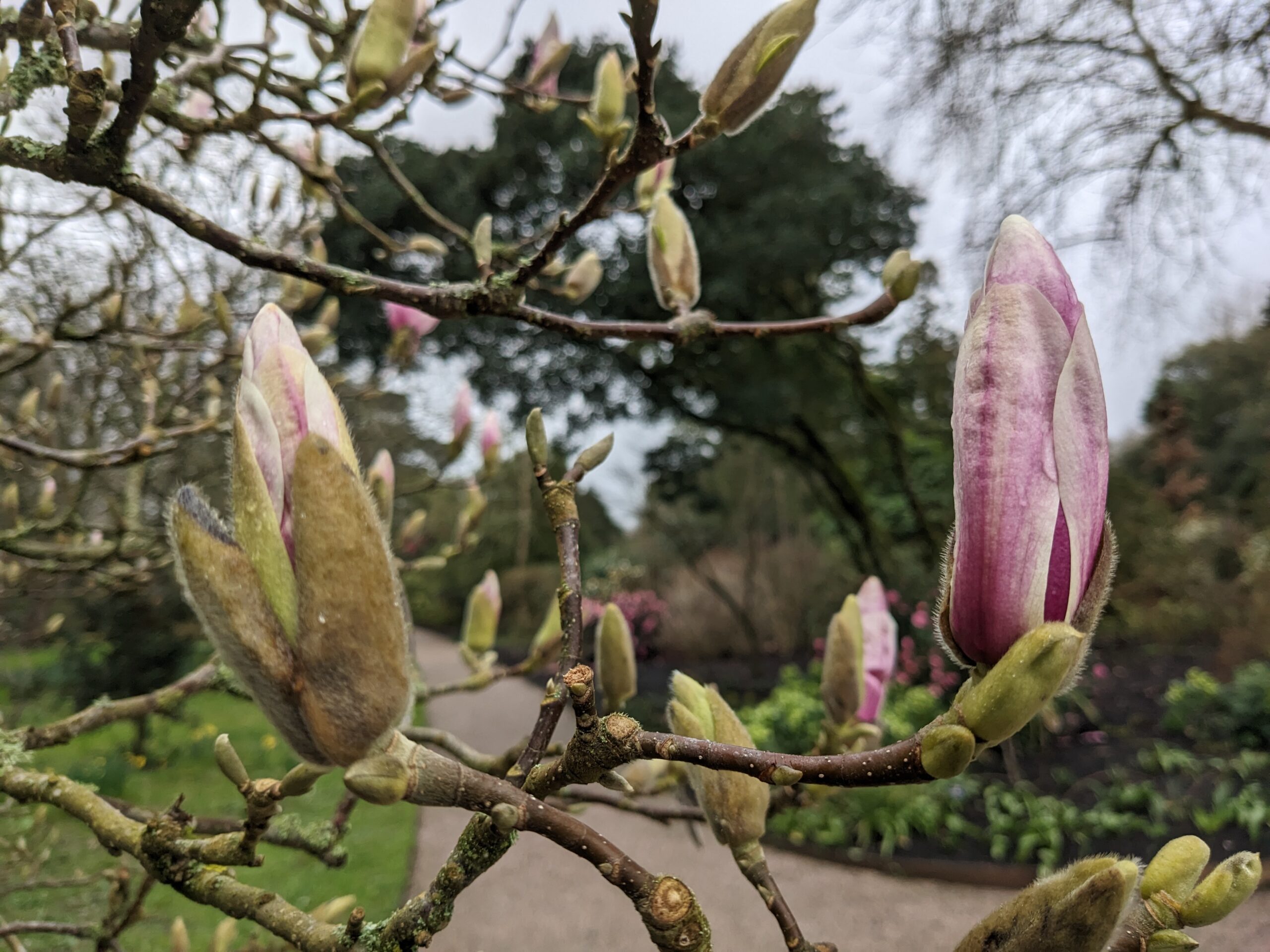
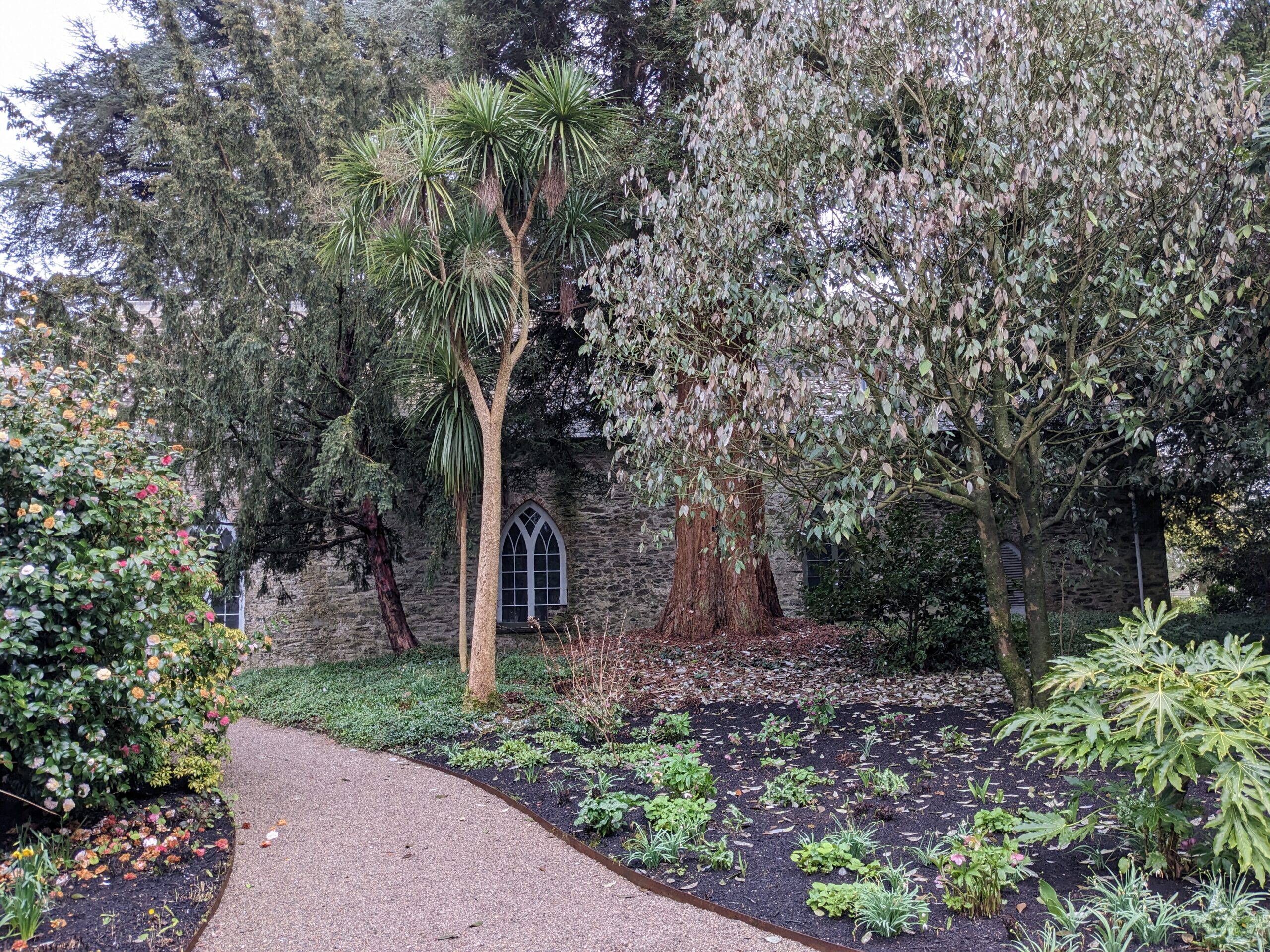
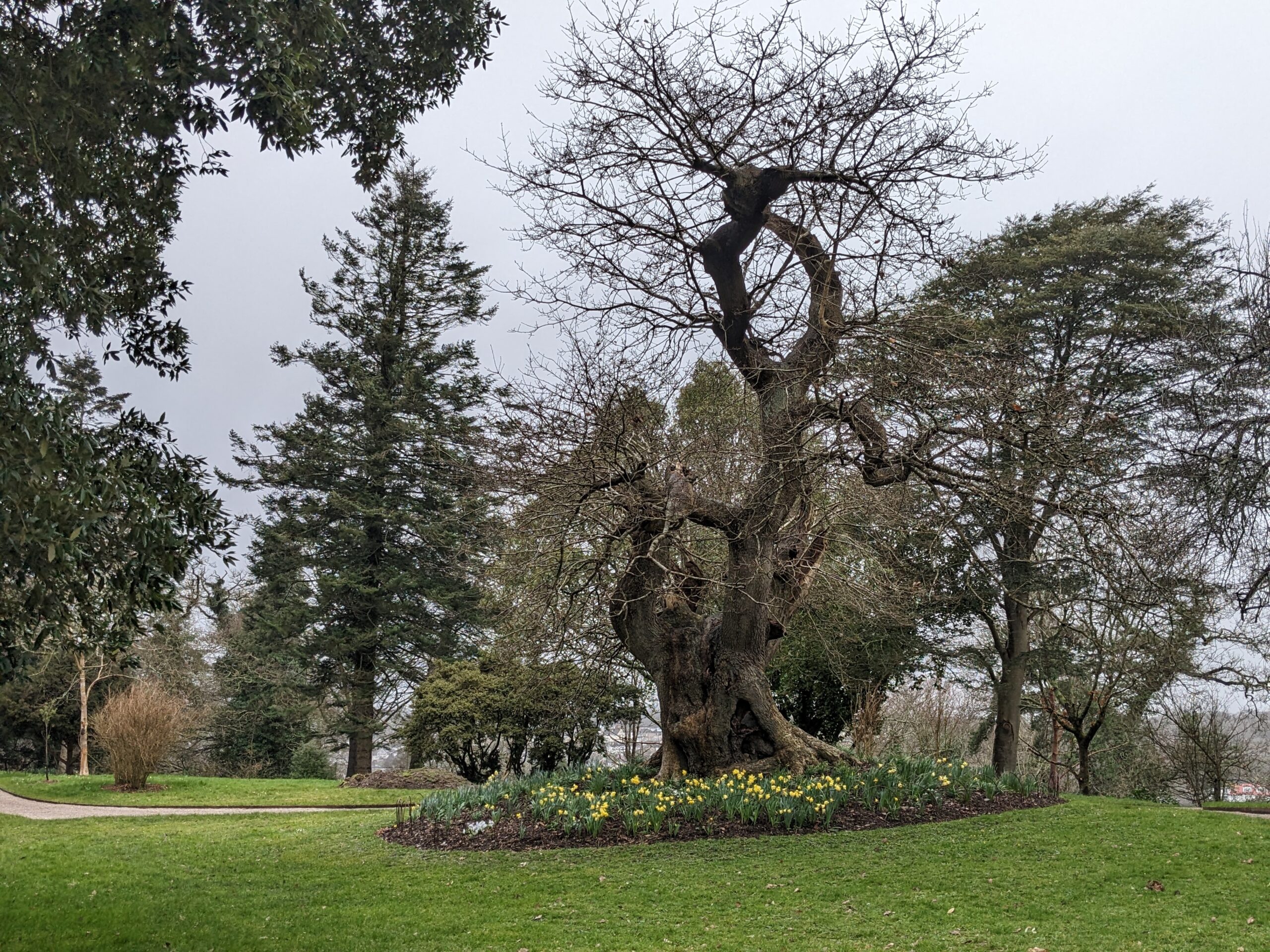
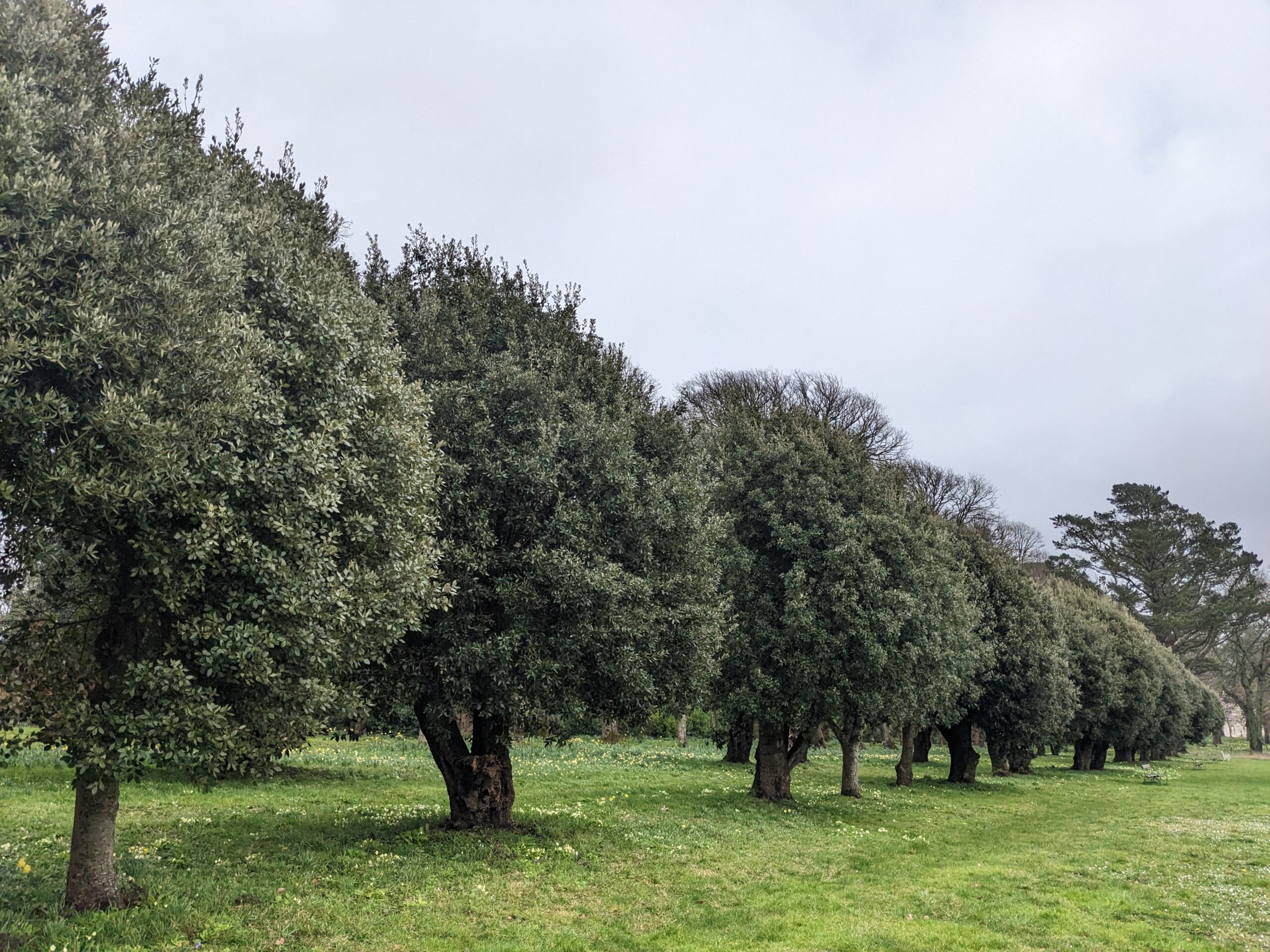
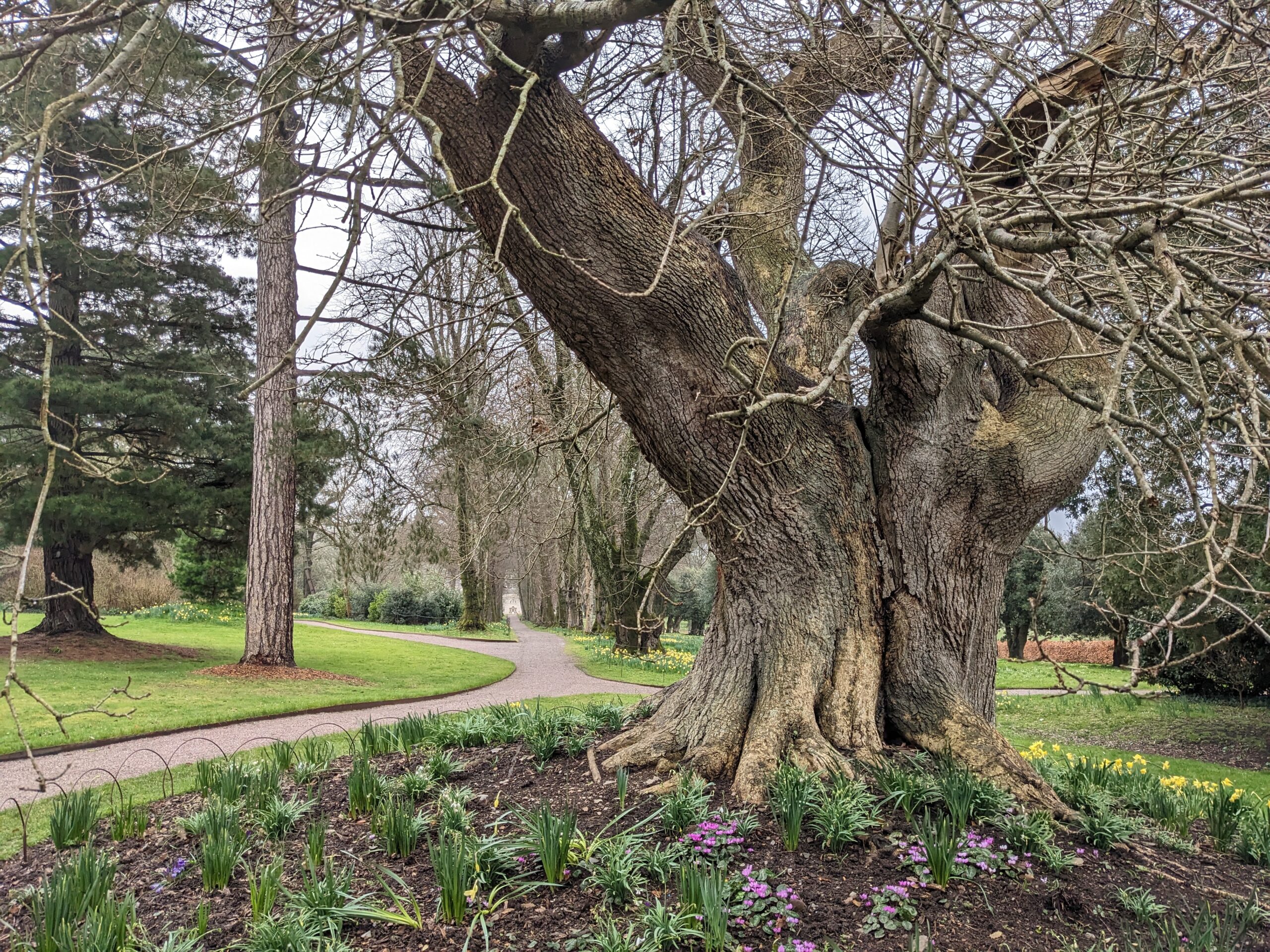
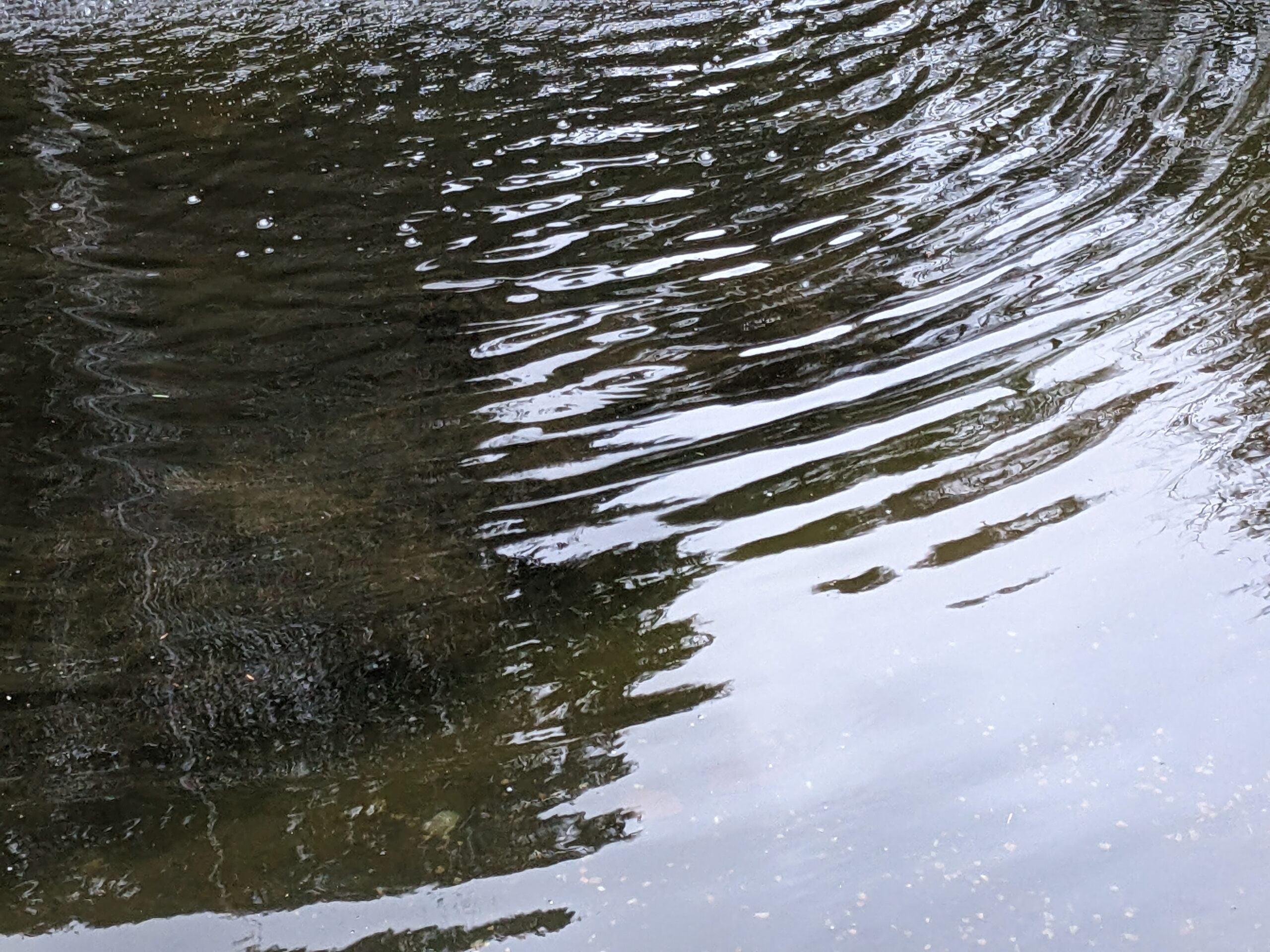
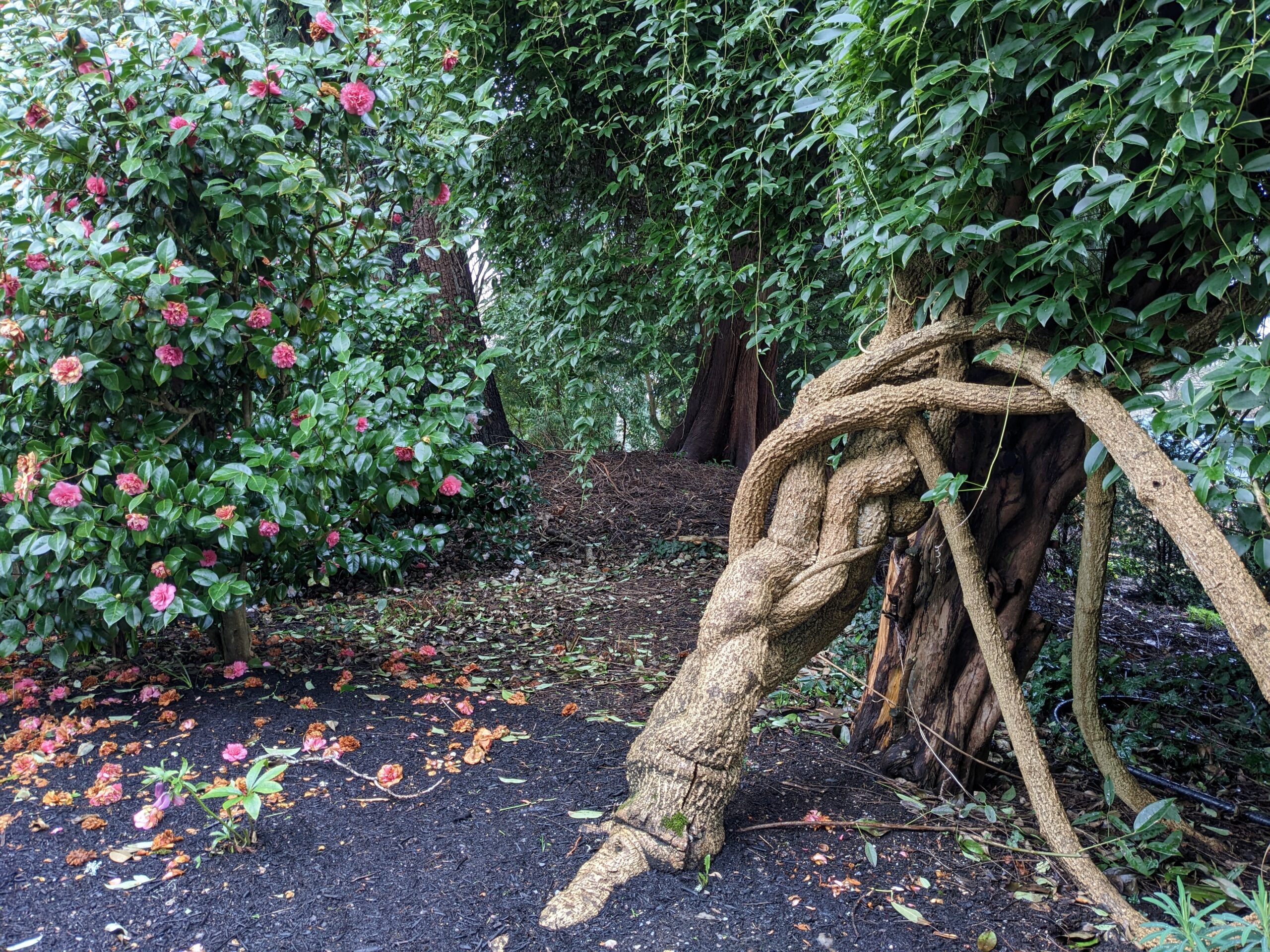
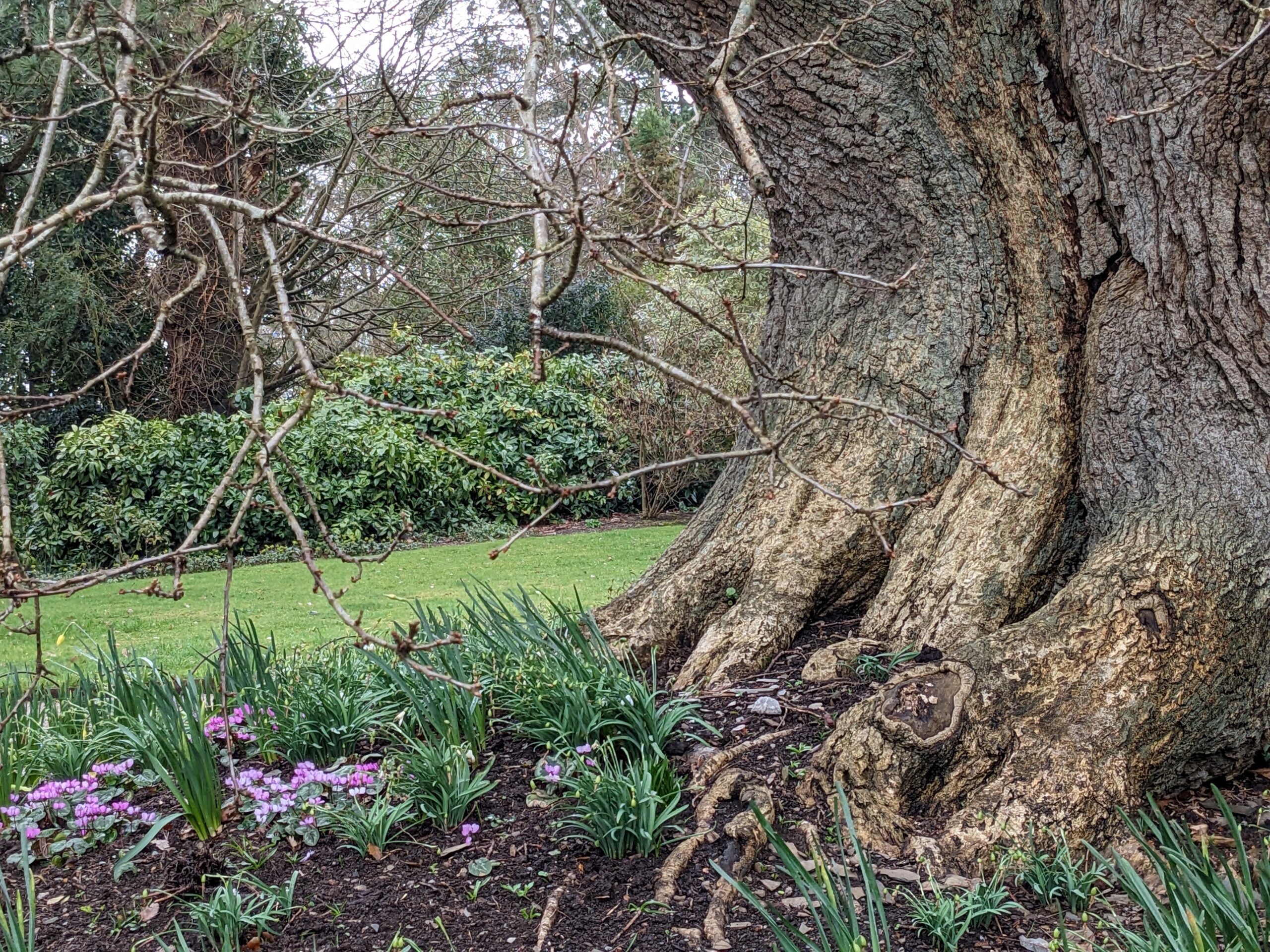
After the house we walked the garden, finding some great trees, a little outdoor room, some water, a reflective and calm place to sit, recount and wonder. Or just ripple watch.
Good parking, good café, a tea rooms too as well as a large second hand book collection. A pleasant and relaxed day.
Saltram is near Plymouth in Devon and a National Trust property and gardens.